
I just saw a video where someone got scammed and lost basically their entire life savings. So I want to share how not to get scammed online.
How to Avoid Getting Scammed

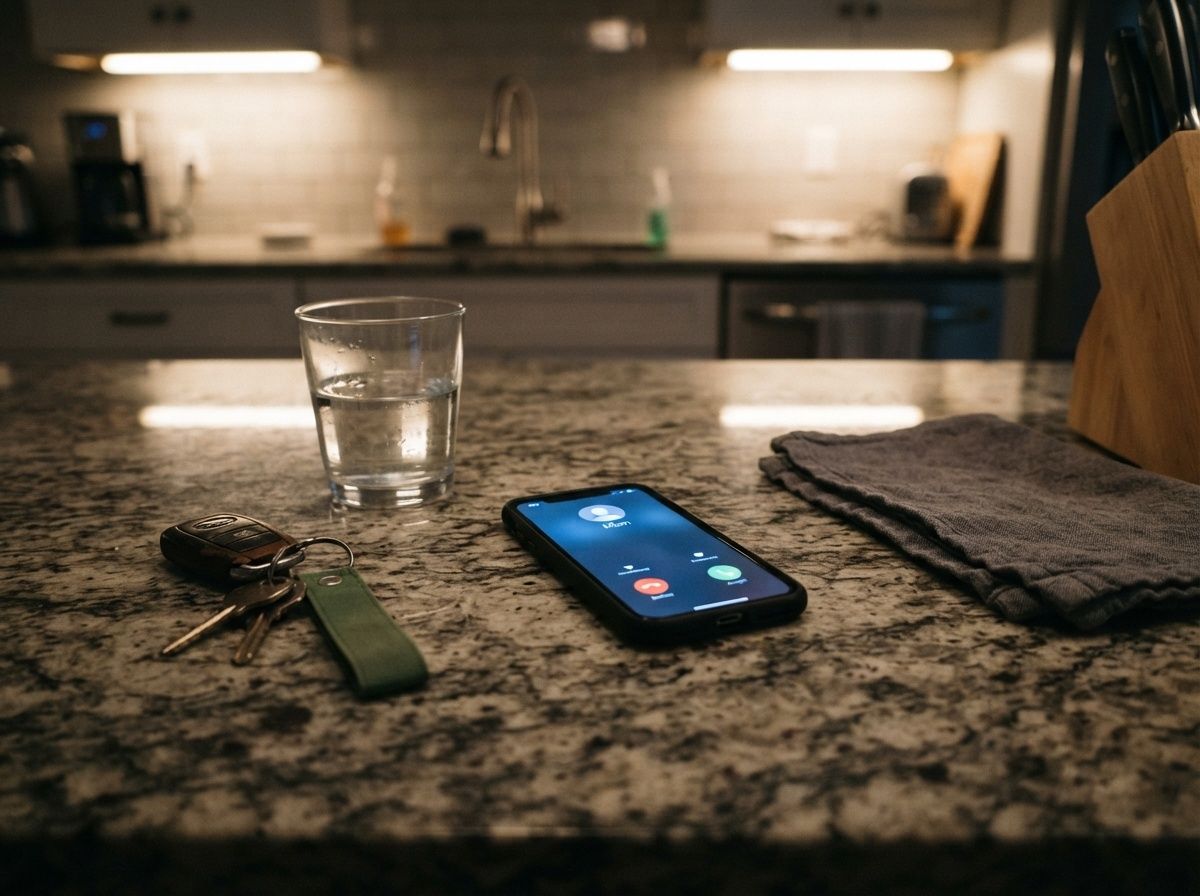
Never Answer Unknown Phone Numbers
First of all, don't ever answer your phone to unknown numbers. This actually happened to me a few months ago. Emily called me and she said, "Oh my god, we've been hacked! Something's going on with our Chase." And I just said, "Stop. Don't do anything. This is exactly the part of the story where you get hacked."
It's when you think you're being hacked and all rational thinking goes out of the window and you start logging into stuff. You start clicking buttons on emails or giving codes to someone on the phone.
The Ocean's Eleven Principle of Getting Scammed
Remember Ocean's Eleven? The casino did not get robbed until the owner thought he was being robbed, and then he let the guys just walk in. This happens over and over again.
Also, if you get your bank calling you and it comes up with your bank on your phone, that doesn't mean your bank is actually calling. People can just copy SIM numbers or they can use an app to tell you what number they want to appear on your phone. Hang up. Call the number on the website or on the back of your card to check up on things. Do not continue talking to anyone.
Why Password Managers Catch Phishing Sites
If you get an email, a lot of times these are phishing emails. You'll click on the link and you'll go to a website that looks exactly like what you think the website should look like, but they'll be one letter off.
A great use case of password managers that save you hours is that because I have all my logins saved, I clicked on a link in an email a couple years ago. I went to a site that looked exactly like the site I was trying to log into, but then when I went to log in, my username and password didn't come up. So I knew, okay, this must not be the site. And it wasn't the site. It was just a really good fake because nothing was coming up in my autofill.
That's a good reason to use a password manager, but also to just not log into any site from an email. Always just go to the site yourself.
AI Voice Cloning Means You Need a Family Password
Now with AI, voice hacking and cloning your voice is real. Someone could clone my voice from this video. So if you have family members that might believe it, come up with a family password or a code so that they know they're actually talking to you. Or have them hang up and call you back. They're not going to mind.
This actually happened to me once where I was calling my bank to deal with something. They do this thing where they're like, "Okay, we'll send you a code." They sent me the code, the woman said, "Okay, can you give me your code?" And I was like, "Wait, how do I know this isn't a scam?" And she's like, "Miss, you called us."
Panic Is the Attack, Not the Hack
The moment you think you're being hacked is the moment you actually get hacked. Scammers want you to panic because panic makes you stop thinking. They create urgency so you'll click, log in, or give up codes without questioning anything.
The defense is simple. Slow down. Hang up. Go directly to the source yourself. Use a password manager so fake sites can't fool you. And set up a family code word for when AI makes voices impossible to trust.
The next time someone tells you something urgent is happening with your account, remember that stopping to verify is the one thing that keeps you safe.